

Understanding the Importance of AdBlue in Your Diesel Fuel Tank
- Adblue in Diesel Specialist
- Feb 28
- 4 min read

24/7 AdBlue in diesel tank mistake rescue
07459 909935
Diesel engines have long been favored for their power and efficiency, especially in commercial vehicles and heavy machinery. Yet, they face increasing pressure to meet stricter environmental standards. One key solution to reduce harmful emissions is the use of AdBlue, a liquid additive that plays a crucial role in modern diesel engines. This post explores why AdBlue matters, how it works, and what you need to know to keep your diesel vehicle running clean and compliant.
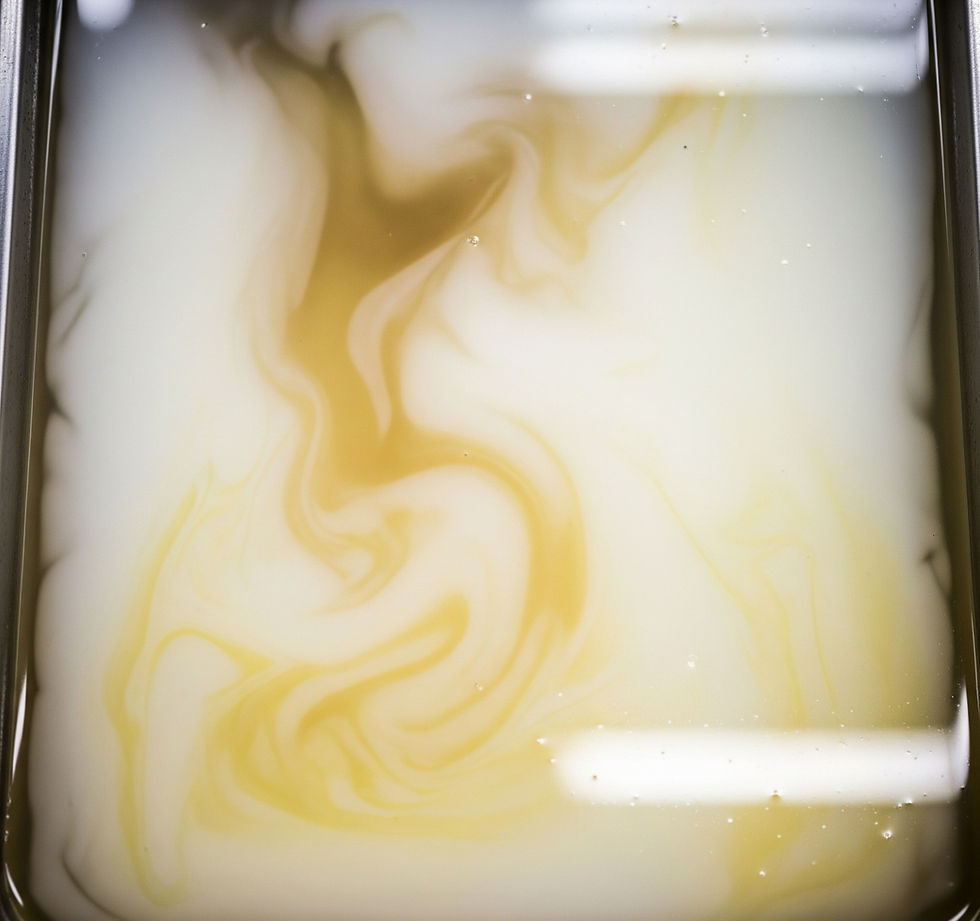
AdBlue in Diesel Fuel Tank Rescue Nationwide
AdBlue is a high-purity urea solution that diesel vehicles use to reduce nitrogen oxide (NOx) emissions. NOx gases contribute to air pollution and smog, which harm human health and the environment. Governments worldwide have introduced strict emission standards, such as Euro 6 in Europe, requiring diesel engines to cut NOx output significantly.
AdBlue is injected into the exhaust system of diesel engines equipped with Selective Catalytic Reduction (SCR) technology. When heated, AdBlue breaks down into ammonia, which reacts with NOx gases in the SCR catalyst. This reaction converts NOx into harmless nitrogen and water vapor, dramatically lowering emissions.
Key Points About AdBlue
It is not mixed with diesel fuel; it has its own separate tank.
It is a clear, non-toxic liquid but should be handled carefully to avoid contamination.
Vehicles will warn drivers when AdBlue levels are low, and failure to refill can cause engine performance issues or prevent the vehicle from starting.
How AdBlue Works in Diesel Engines
The SCR system is the heart of AdBlue’s effectiveness. Here’s a simplified overview of the process:
Exhaust gases containing NOx leave the engine.
AdBlue is sprayed into the exhaust stream before it reaches the SCR catalyst.
The heat converts AdBlue into ammonia.
Ammonia reacts with NOx in the catalyst.
The reaction produces nitrogen and water vapor, which are safe to release into the atmosphere.
This process allows diesel engines to meet emission standards without sacrificing fuel efficiency or power.
Common Misconceptions About AdBlue
Many drivers confuse AdBlue with diesel fuel or believe it can be added directly to the fuel tank. This is incorrect and can cause serious damage to the vehicle’s engine and emission system.
AdBlue must never be poured into the diesel fuel tank. Doing so can lead to costly repairs.
The AdBlue tank is usually located near the diesel tank but has a different filler cap, often blue or clearly marked.
Only use AdBlue that meets ISO 22241 standards to ensure purity and avoid contamination.
What Happens If You Put AdBlue in the Diesel Tank?
Accidentally adding AdBlue to the diesel fuel tank is a common mistake but one with serious consequences. AdBlue is a water-based solution and incompatible with diesel fuel. When mixed, it can cause:
Fuel system corrosion: Water in AdBlue damages fuel pumps and injectors.
Engine malfunction: The engine may stall or fail to start.
Expensive repairs: Cleaning or replacing fuel system components can cost thousands.
If this happens, do not start the engine. Contact an AdBlue in diesel tank specialist immediately. They will drain and clean the fuel system to prevent permanent damage.
How to Avoid AdBlue Mistakes
To protect your vehicle and avoid costly errors, follow these tips:
Know your vehicle: Learn where the AdBlue tank is located and how to refill it.
Use separate containers: Never store AdBlue and diesel in the same container.
Check labels carefully: AdBlue filler caps are usually blue and clearly marked.
Refill regularly: Keep an eye on the AdBlue level and refill before it runs out.
Call a specialist: If unsure, contact an AdBlue in diesel tank specialist for advice or service.
When to Call an AdBlue in Diesel Tank Specialist
If you suspect AdBlue contamination in your diesel tank or experience warning lights related to AdBlue, it’s crucial to get professional help. Specialists have the tools and knowledge to:
Diagnose the problem accurately.
Safely drain and clean the fuel system.
Test and refill with the correct fluids.
Prevent further damage and ensure your vehicle meets emission standards.
For example, if you dial 07459 909935, you can reach an expert who can guide you through the next steps or arrange a service call.
Maintaining Your Diesel Vehicle with AdBlue
Proper maintenance extends beyond just refilling AdBlue. Here are some practical tips to keep your diesel vehicle running smoothly:
Use quality AdBlue: Only buy from reputable suppliers to avoid contamination.
Store AdBlue properly: Keep it in a cool, dry place away from direct sunlight.
Follow manufacturer guidelines: Check your vehicle manual for AdBlue refill intervals and procedures.
Monitor warning lights: Address AdBlue-related alerts promptly.
Regular servicing: Include AdBlue system checks during routine maintenance.
The Environmental Benefits of Using AdBlue
AdBlue technology helps reduce harmful emissions that contribute to air pollution and respiratory problems. By converting NOx into nitrogen and water vapor, diesel vehicles become cleaner and more environmentally friendly.
This technology supports:
Improved air quality in urban areas.
Compliance with government emission regulations.
Reduced impact on climate change.
Using AdBlue is a practical step drivers and fleet operators can take to contribute to a healthier environment.


